An exhibition earns its money from exhibitors and keeps them by bringing visitors worth meeting. Every step below serves one of those two aims. The timeline starts about a year ahead for an established show and six to nine months ahead for a first edition, and the notes on evenclo show which steps it handles.
Twelve to six months out: sell the space
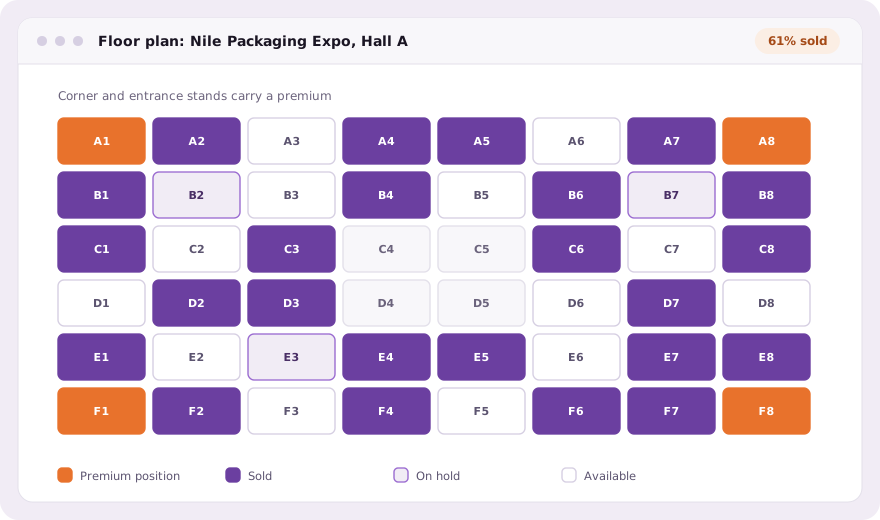
Secure the venue and the dates, then publish a floor plan with prices before the first sales call. Exhibitors choose by position, so price corners, aisle fronts and stands near the entrance or the café higher. Most space sells four to six months before opening. Rebooking this year’s exhibitors during the show, while the hall is busy, is the cheapest sale you will make.
Give exhibitors one place to go
An exhibitor needs their deadlines, badges for their staff, a listing for the visitor guide and somewhere to ask questions. When all of that lives in email, the questions arrive on build-up morning. In evenclo exhibitors apply through your form, you approve them and assign a package that decides stand size and staff passes, and each company opens its own portal from an emailed link to complete its listing and register its staff.
Three months out: bring the right visitors
Exhibitors judge a show by who walked the aisles. Ask visitors for job title, company and sector when they register, and ask exhibitors to invite their own customers. Publish the exhibitor list and the floor plan early so visitors can plan a route. Matching visitors with exhibitors on shared interests, with meetings booked before the show, gives an exhibitor something to show their sales director.
On the show floor
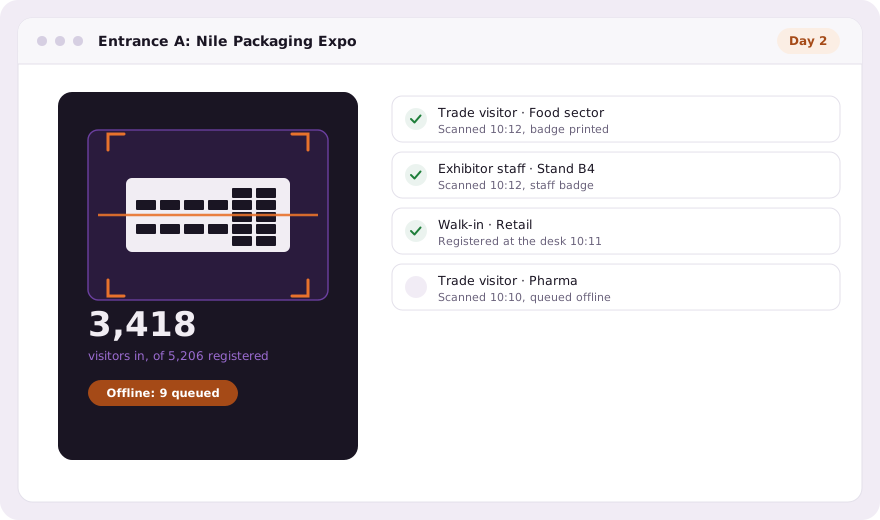
Have visitors register before they come and print badges at the entrance, with a separate desk for walk-ins. Give every exhibitor a badge scanner with their own qualifying questions, so each lead arrives with the visitor’s registration answers attached. Plan the visitor route so the main aisle passes the premium stands and ends at catering or a feature area, which draws people to the back of the hall where the cheaper stands are. Halls lose signal, and evenclo’s scanning keeps working offline and syncs when the connection returns.
After the show: show that it worked
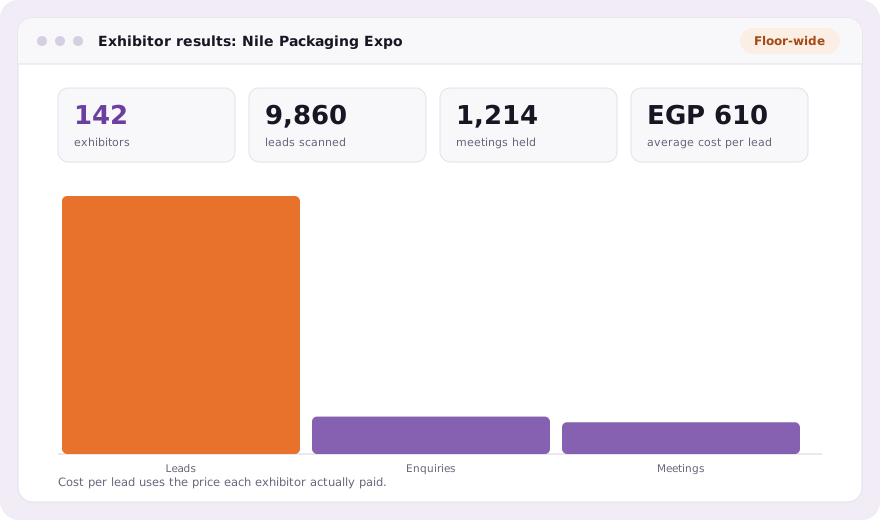
Within two weeks, send each exhibitor their own numbers: leads scanned, meetings held and product enquiries. Base cost per lead on what the exhibitor actually paid, so a discounted stand is not judged against the rate card. That report sells next year’s space, so send it before the rebooking letter.
Common questions
How far ahead should an exhibition be planned?
About twelve months for an established show and six to nine for a first edition. Most stands sell four to six months before opening.
How should exhibition stands be priced?
By area, with a premium for corners, aisle fronts and stands near entrances and catering, which exhibitors value most.
What do exhibitors need after the show?
Their leads with contact details and qualifying answers, the meetings and enquiries they received, and a cost per lead based on what they paid.
Book a demo Thirty minutes, screen shared, in Arabic or English.