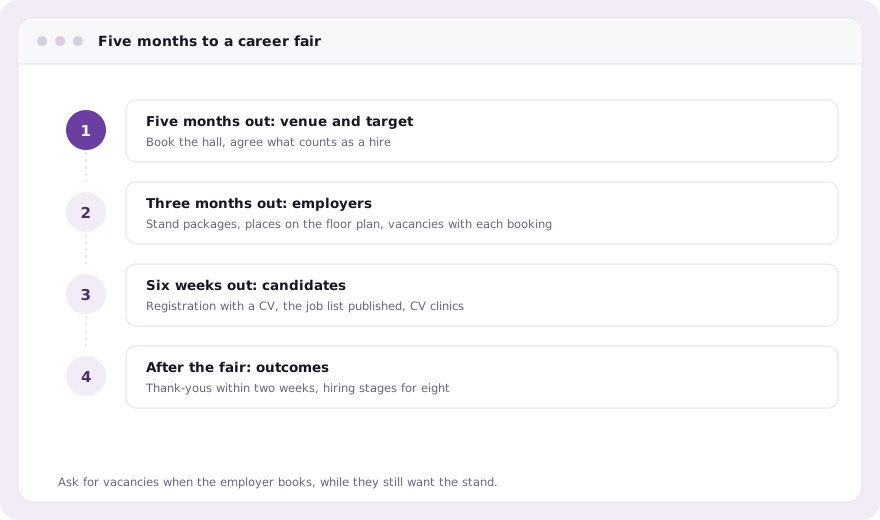
Plan a career fair backwards from the number you will report when it is over. For a sponsor, a university or a ministry that number is usually hires, so each decision before the day should make it easier to say who applied, who was interviewed and who received an offer. This playbook runs from five months before the fair to two months after it, and notes where evenclo handles a step.
Start with the venue and the target
Book the hall first, about five months ahead, because large venues in the hiring season go early. Then write down who the fair is for how many employers and candidates you want, and what you will report. Agree with the sponsor on what counts as a hire, for example an offer accepted within eight weeks of the fair, before the first stand is sold.
Sign employers who are hiring now
The complaint candidates make most often about job fairs is a stand with a logo and no open roles. Ask every employer for their vacancies when they book: the role, the qualifications and, if they will share it, a salary range. Publish the jobs before the fair so candidates arrive knowing which stands to visit. In evenclo, employers apply through a form you build, pay or are approved, take a place on the floor plan, and post their jobs and a careers page from their own portal.
Bring candidates who match the jobs
Recruit through university career offices, alumni groups and professional syndicates, and put the job list in the invitation itself. Keep the registration form short: name, phone, email, university, graduation year, career level, governorate and a CV. A CV is personal data, so ask a separate question before it is shared with employers. evenclo’s career fields add all of these in one step and keep the CV in private storage. CV clinics and mock interviews in the weeks before, listed in the programme, make for better conversations on the day.
Plan the floor around interviews
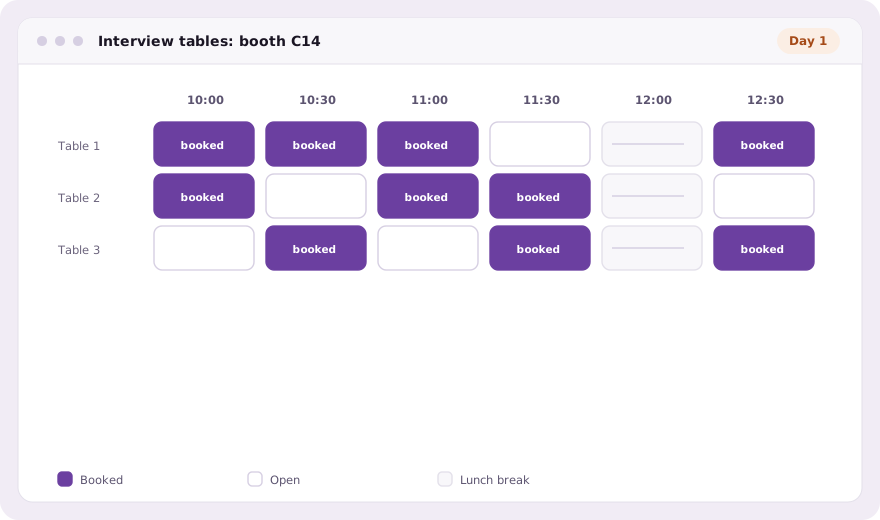
Long queues at the best-known stands and aisles nobody can navigate are the layout problems organisers hear about most. Give large employers two or three interview tables in a quieter area, ask each to name someone who runs their queue, and let candidates book an interview slot in advance. In evenclo a stand can hold several interviews at once and each booking is given a table, so the candidate’s booking reads Booth C14, Table 2.
On the day
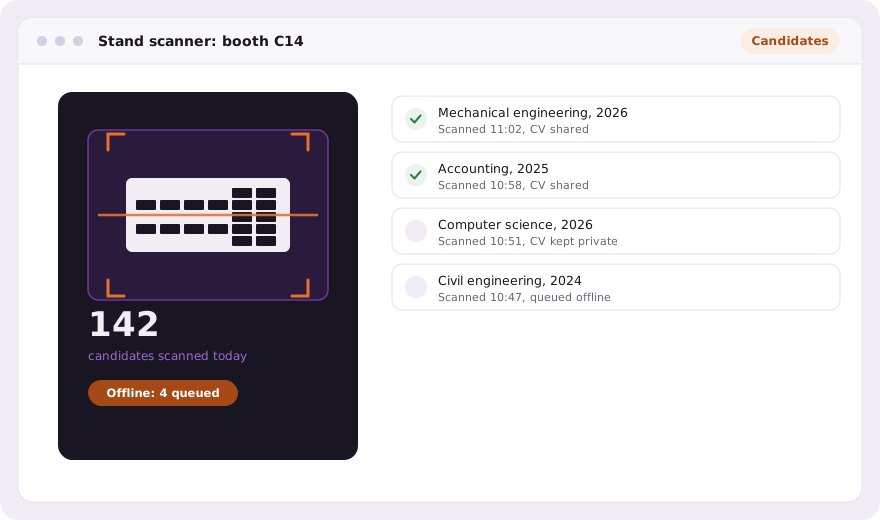
Expect walk-ins at a free fair and register them at the door. Print badges with a QR code at check-in, and ask employers to scan each candidate they talk to. The scan gives the employer the contact details, and the CV when the candidate agreed to share it, so nobody carries a box of paper home. Ask employers to tell every candidate what happens next and when.
Count the hires afterwards
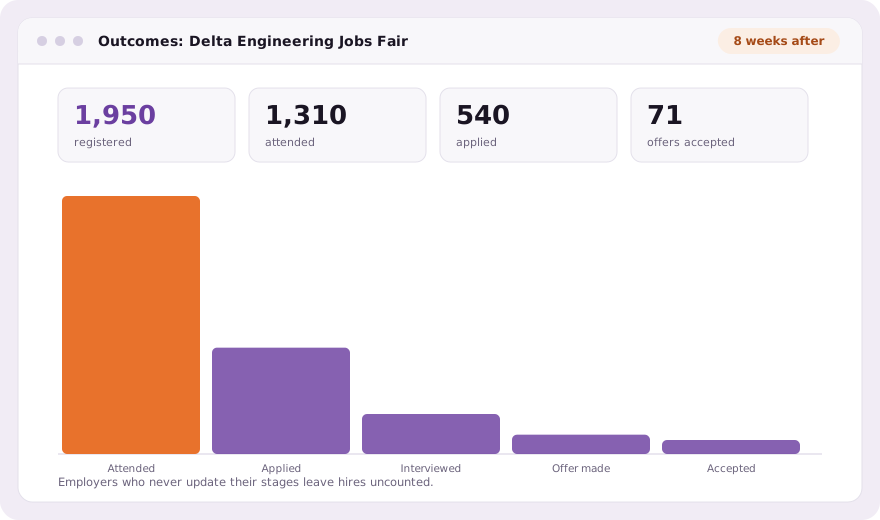
Send employers a thank-you within two weeks, with a request to move each candidate through shortlisted, interviewed, offer made and offer accepted. Ask again at four and eight weeks, because hiring takes longer than the fair. evenclo’s hiring report counts people at each stage and splits the result by university, governorate, sex and career level, with no names in it. A short feedback survey to employers and candidates shows what to change next year.
Common questions
How far ahead should a career fair be planned?
About five months for a large fair: the venue first, employers from three months out and candidates from six weeks out.
How many interview tables does an employer need?
One for each recruiter who will interview at the same time. Large employers usually need two or three, and smaller ones can interview at the stand.
How do you measure whether a career fair worked?
Count accepted offers, not visitors. Ask employers to record each candidate’s stage for eight weeks after the fair.
Book a demo Thirty minutes, screen shared, in Arabic or English.