The second year of an event is the first time the platform choice pays or costs. If last year’s attendees live in an export nobody can open, the second year begins the way the first did, with a purchased list and a cold campaign.
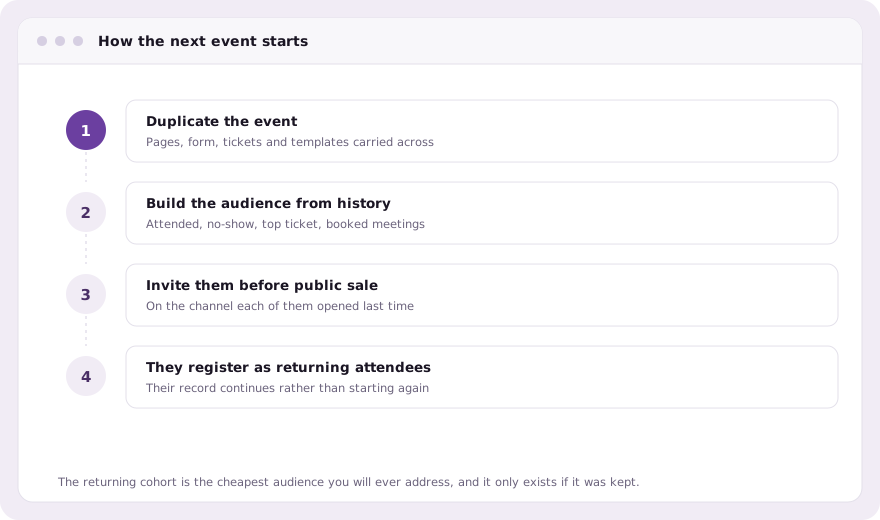
evenclo is organised so events belong to you rather than standing alone. One tenant runs many events, and the record of a person persists across them.
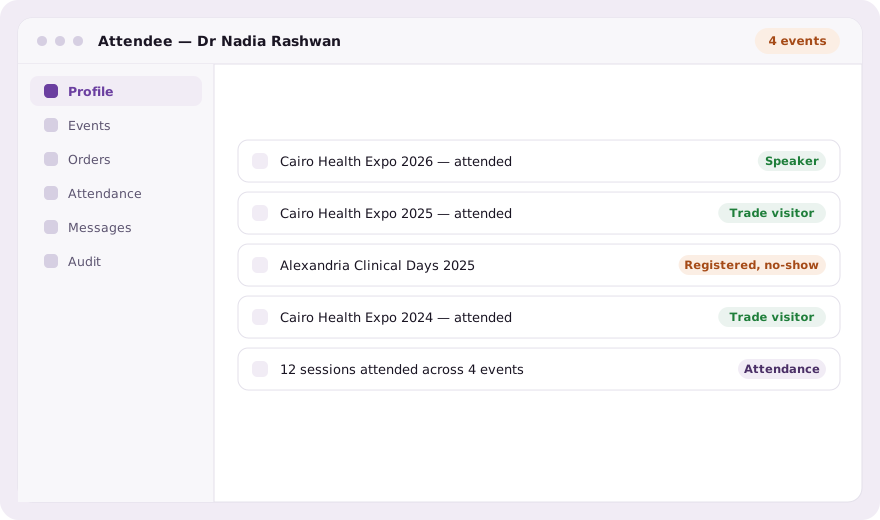
What you can see about somebody
- Which of your events they registered for, and which they attended
- What they bought, and what they never paid for
- Sessions they sat through, where the programme recorded it
- Meetings they booked and leads they became at a booth
- Every message sent to them, and whether it was opened
Audiences built from what happened
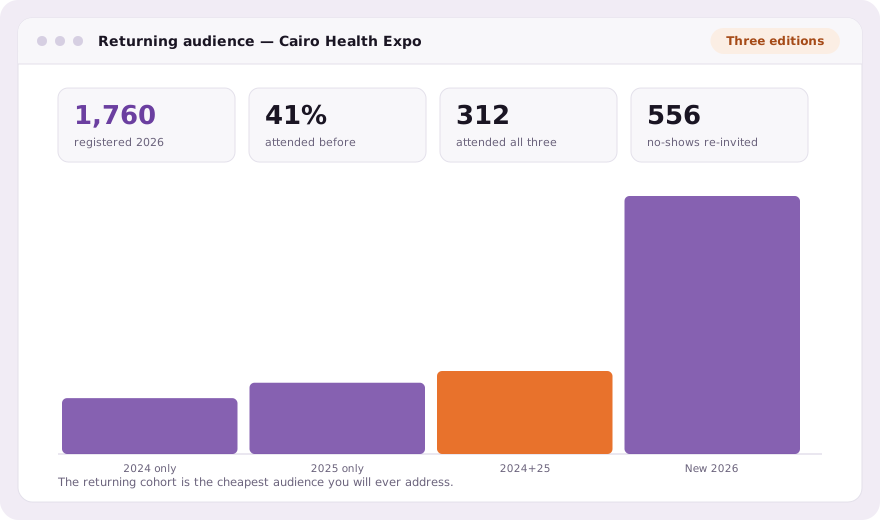
A campaign for the next event can go to people who attended the last one, people who registered and never arrived, people who bought the top ticket, or people who booked meetings and might book them again. These are the audiences that convert, and they only exist if the history was kept in the first place.
The awkward one: no-shows
Somebody who registered and did not arrive is the most useful segment nobody messages. They were interested enough to give you their details and something stopped them. Knowing which they were requires the door and the registration to be the same record, which is the arrangement everything else in the product is also built on.
Kept inside your own tenant
Every record in the platform is scoped to an event, and every event to a tenant. Attendee history crosses your own events and stops there. It is a history of your audience, not a shared marketing database, and the scoping is enforced in the queries rather than in a policy document.
What it changes about the second year
An event with history starts from a base rather than from nothing. You know how many of last year’s attendees are likely to return, which ticket type they will buy and roughly when they will buy it, which turns the capacity plan and the early-bird deadline from guesses into decisions with numbers behind them. It also tells you how much of next year’s target has to come from people who have never heard of you.
Common questions
Can I see what an attendee did at my previous events?
Yes. An attendee record carries their history across the events in your tenant: what they registered for, attended, bought and were sent.
Can I target people who registered but did not turn up?
Yes. Because check-in and registration are the same record, no-shows are a segment you can build a campaign audience from.
Is attendee data shared between different organisations?
No. Records are scoped to your tenant and its events, enforced in the queries themselves rather than by policy.
Book a demo Thirty minutes, screen shared, in Arabic or English.